

Main Falla 2026 - The Fake Art
The Fake Art
Artist: Francisco Ribes
Section: 8B
We live surrounded by gilded frames that enclose emptiness, by solemn pedestals holding nothing, and by inflated speeches that call art something that neither looks… nor feels.
Fake Art raises an uncomfortable mirror before an art that has forgotten how to move us, that does not question us, yet is sold as absolute truth.
Here, the invisible is auctioned at the price of gold, and lies learn to sign their names with illustrious signatures.
Art searches for slogans, hollow catchphrases, the perfect alibi to disguise silence with grandiloquent words.
As in politics, as in society, what is not understood is applauded, and what could hurt is silenced.
This falla denounces the imposture, burns the smoke, scratches the canvas and asks us, among the flames: what remains when deception is consumed?
Among empty installations and indigestible concepts, the audience walks barefoot over broken ideas. Anything goes if it is said loudly enough; everything is “art” if no one dares to ask. But fire, which does not understand speeches, names the farce and illuminates the truth.
As it burns, the falla strips away deception and returns to art its oldest cry: sincerity.


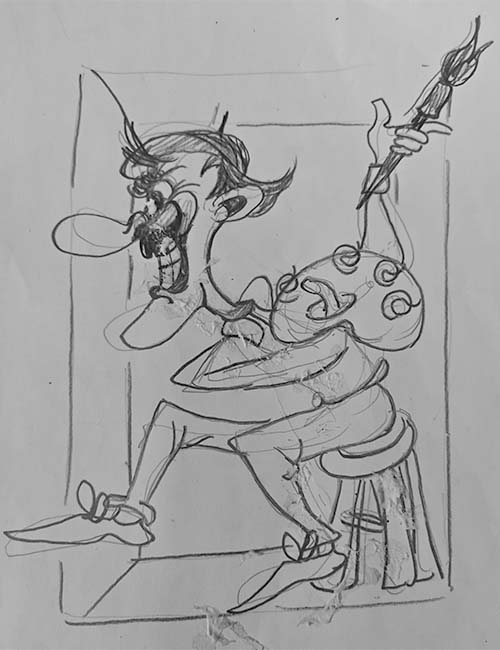
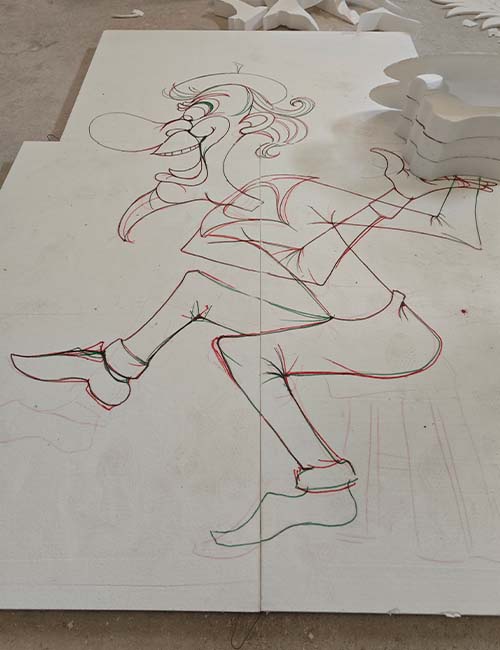
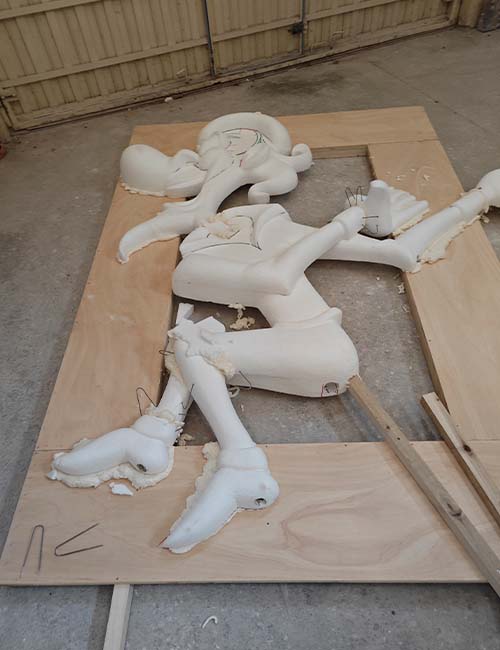
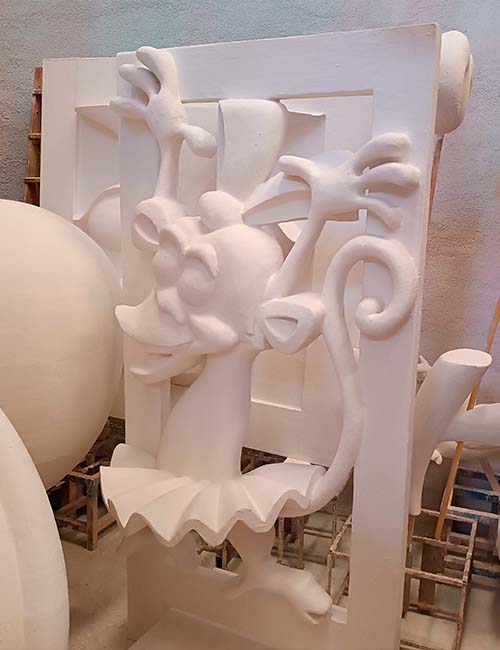
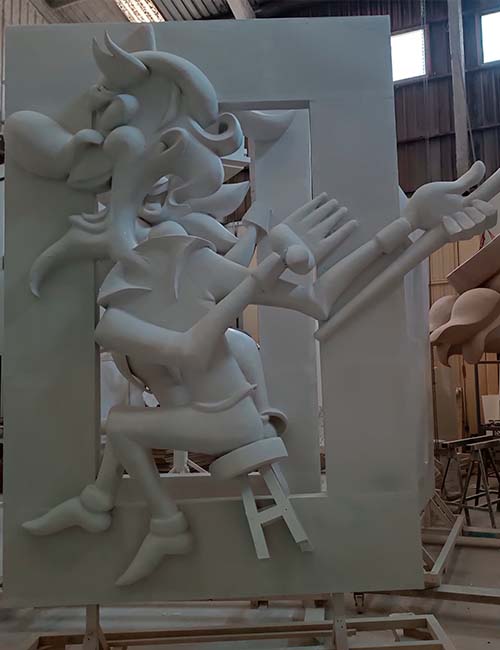
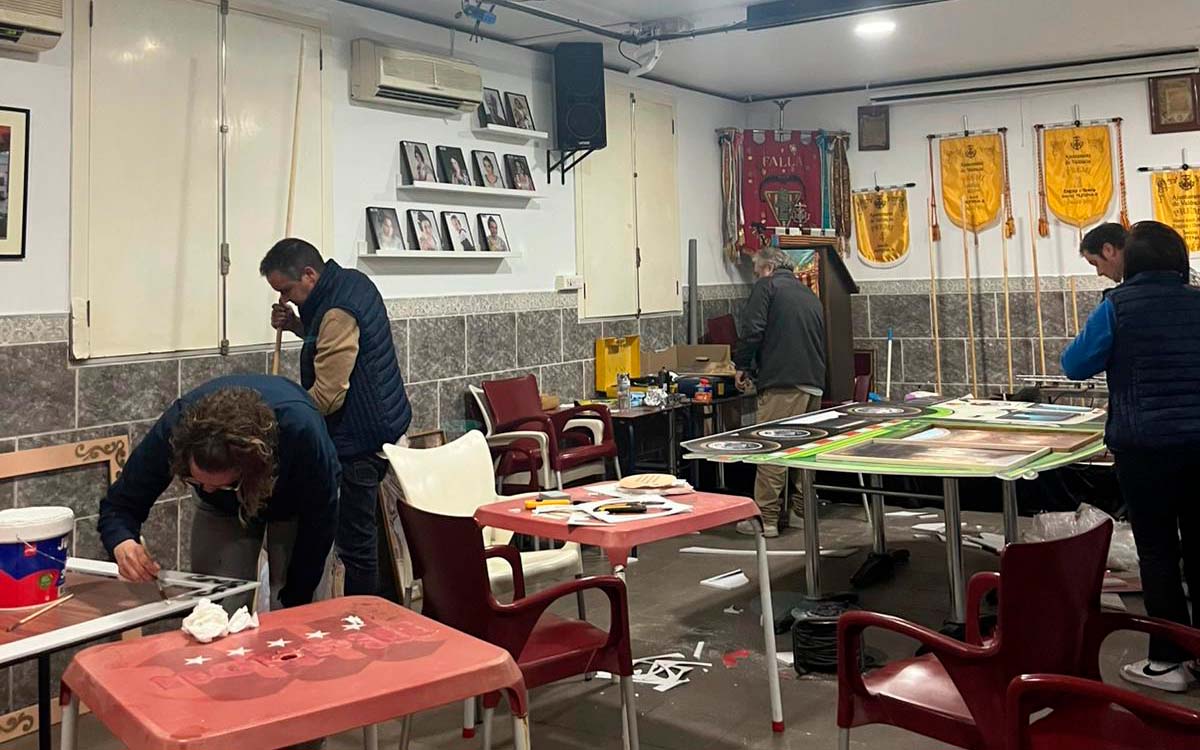
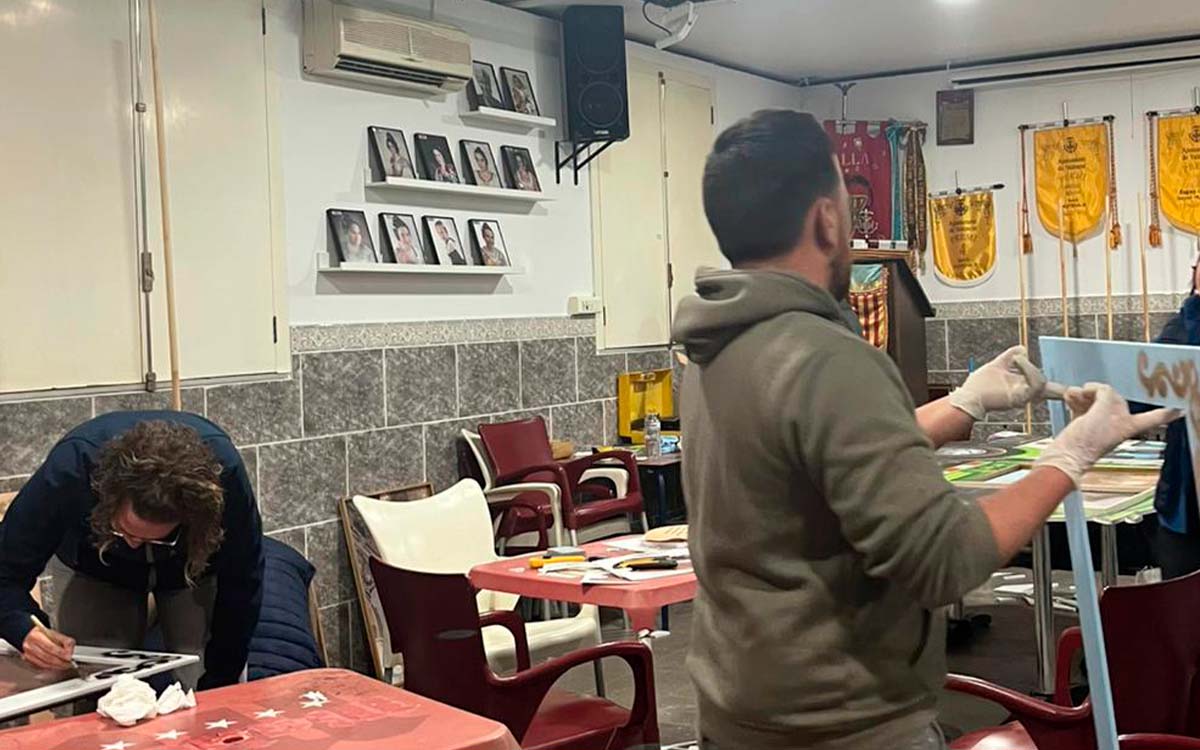
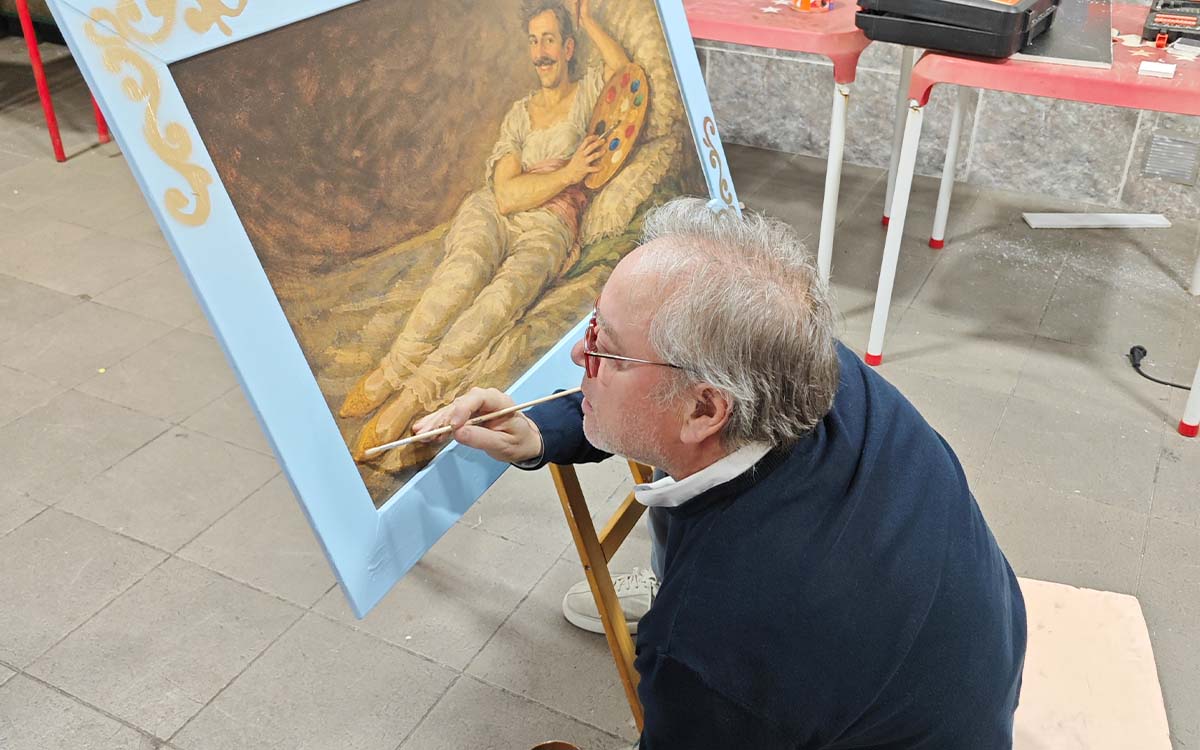
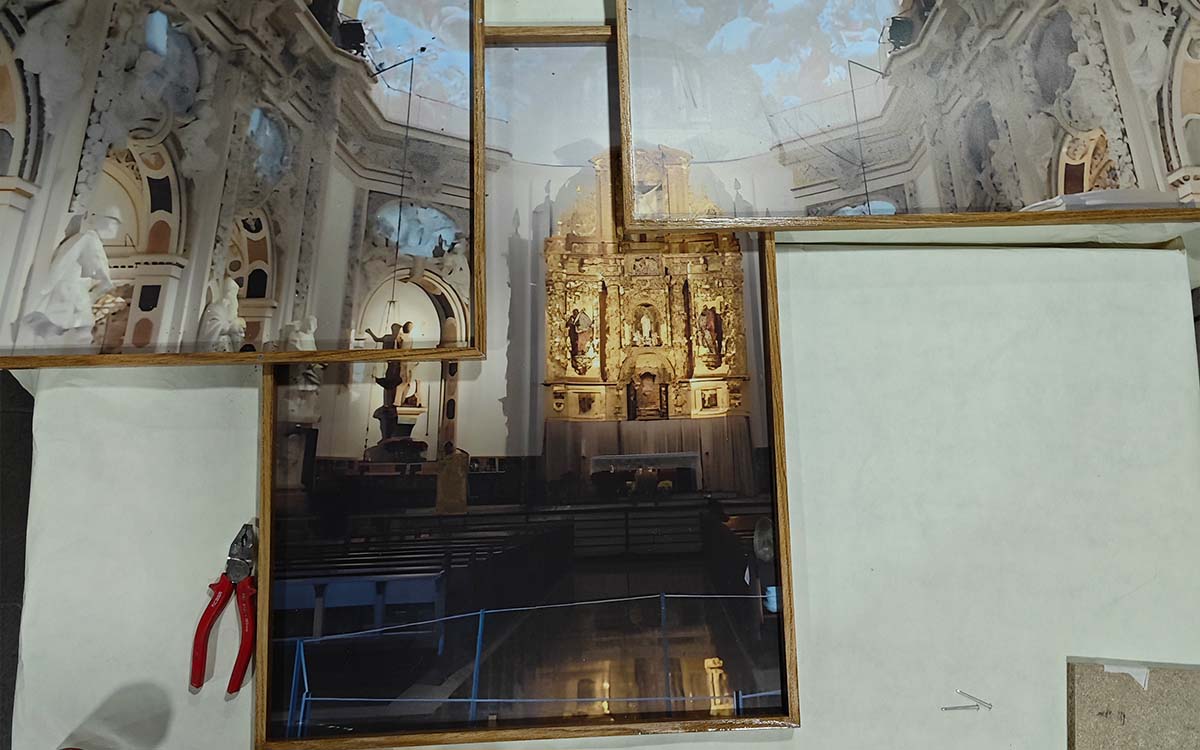
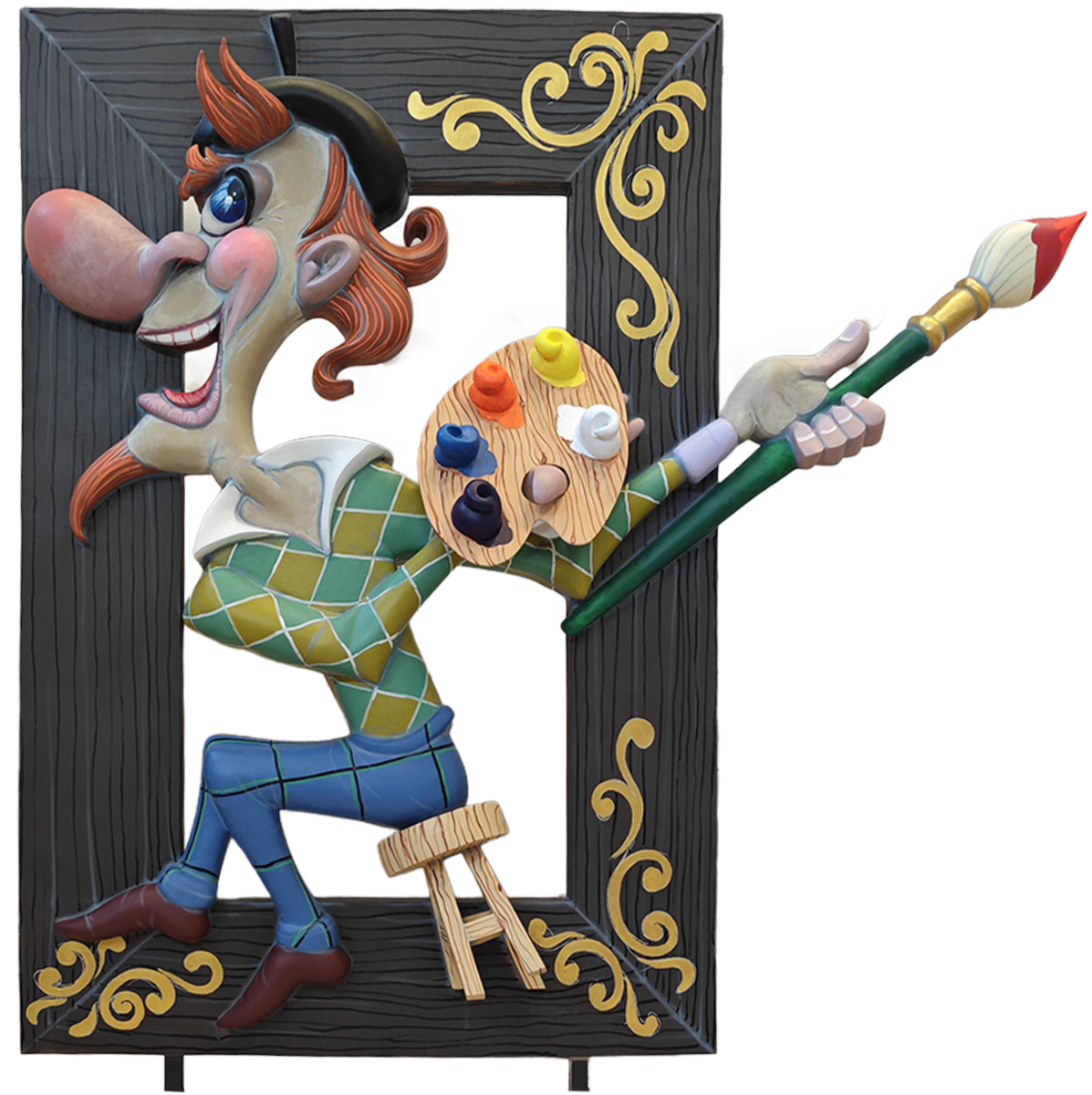
Our Mad Painter
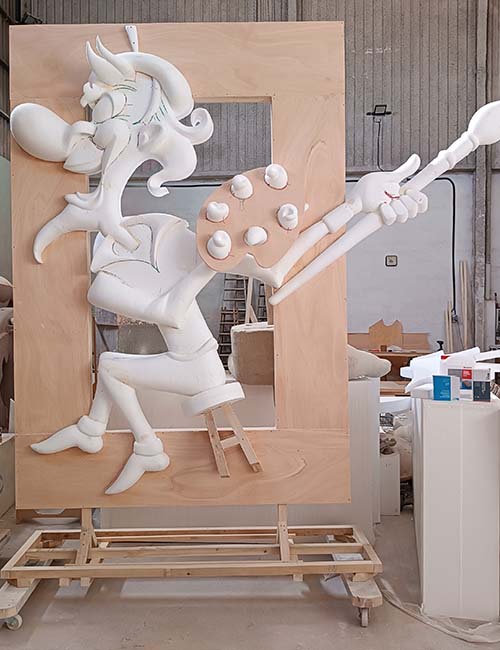
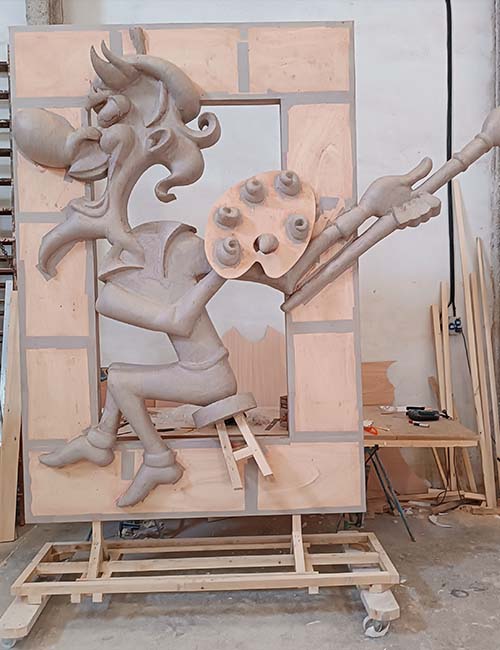
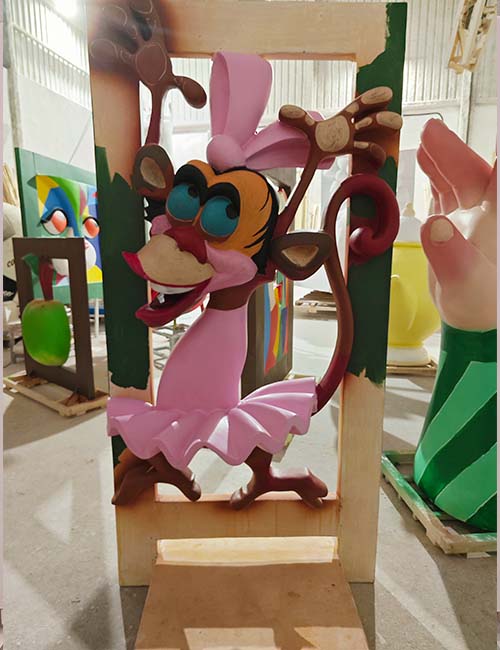
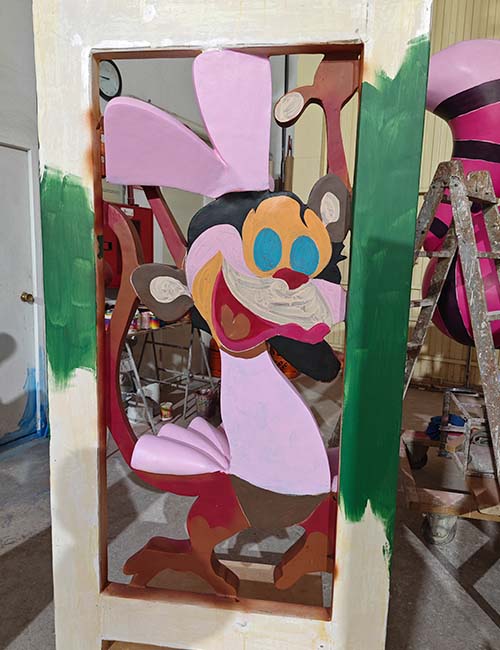
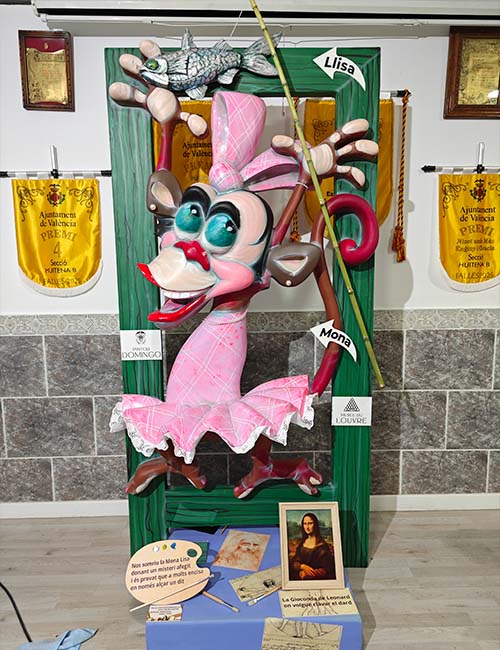
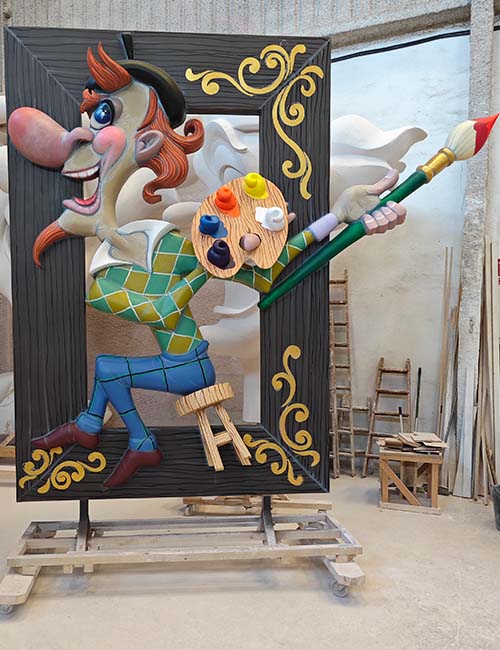
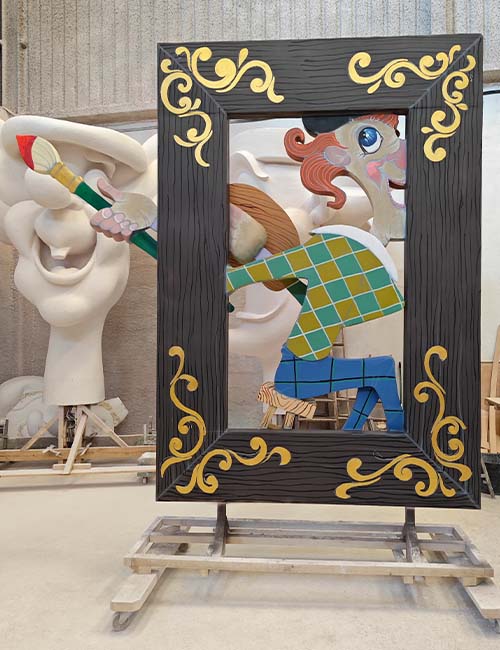
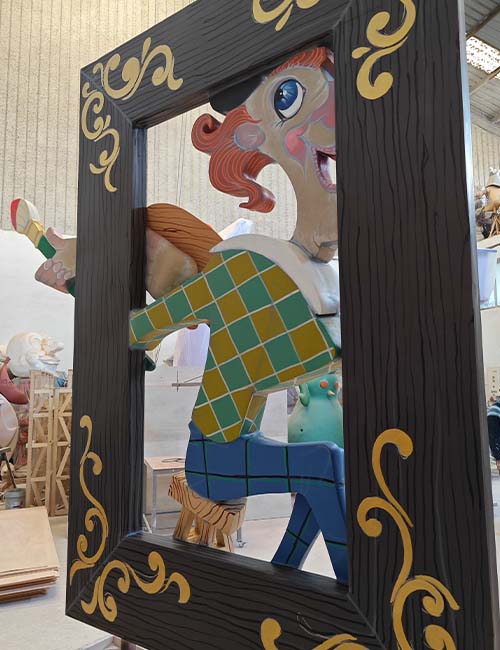
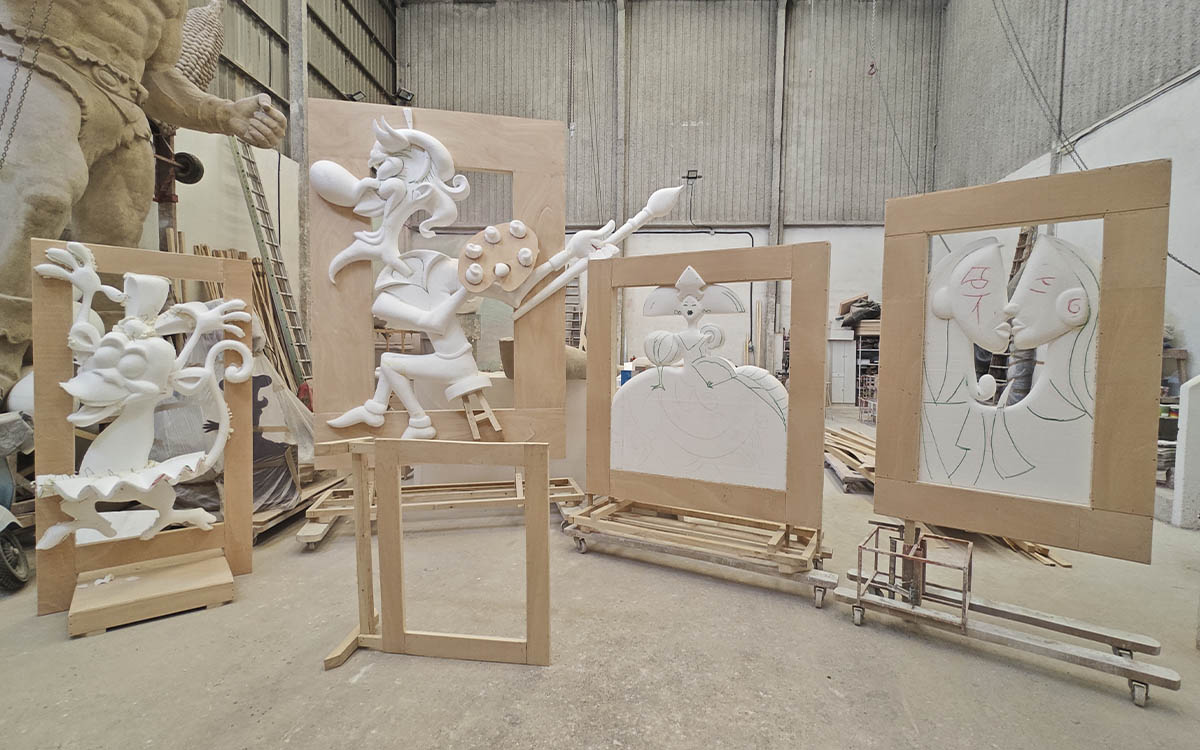
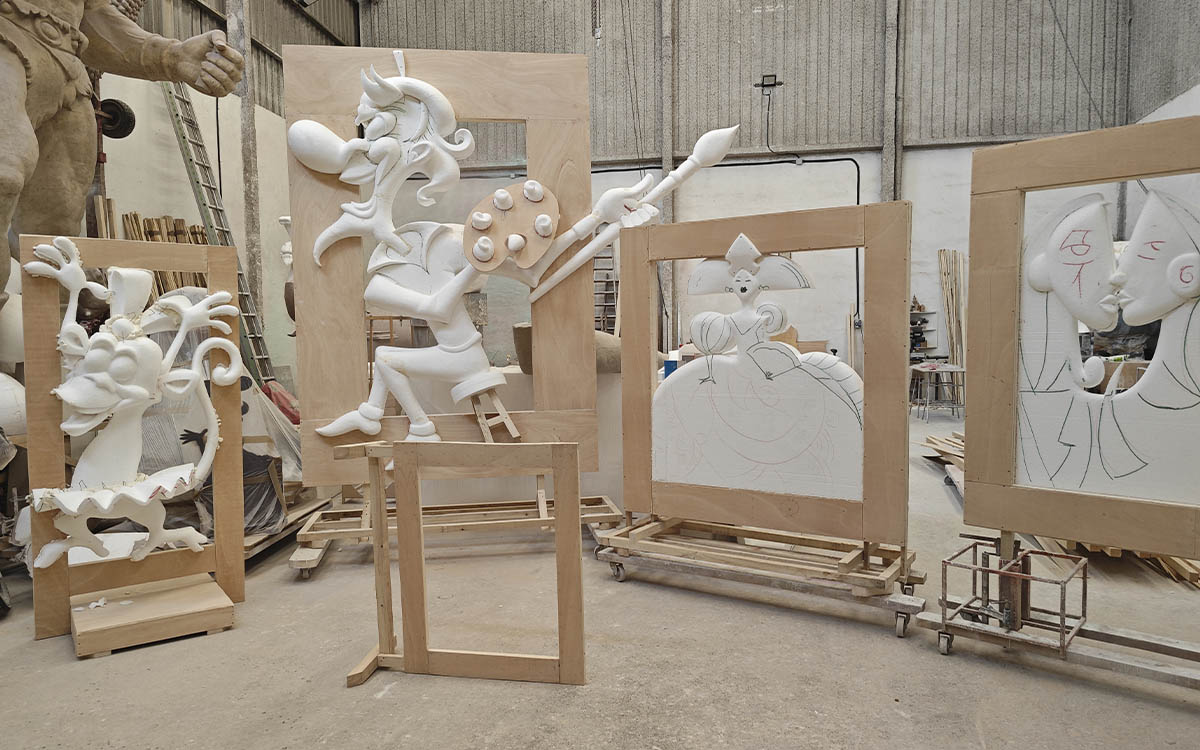
From the same painting emerges a painter, mad, as if he had stepped out of the canvas to look at us directly. But behind that appearance there is a clear lucidity: he knows that, whatever he paints, the success of art depends mainly on who is willing to pay for it. In this way, the painting also leaves an ironic reflection on power, art, and those who sustain it.


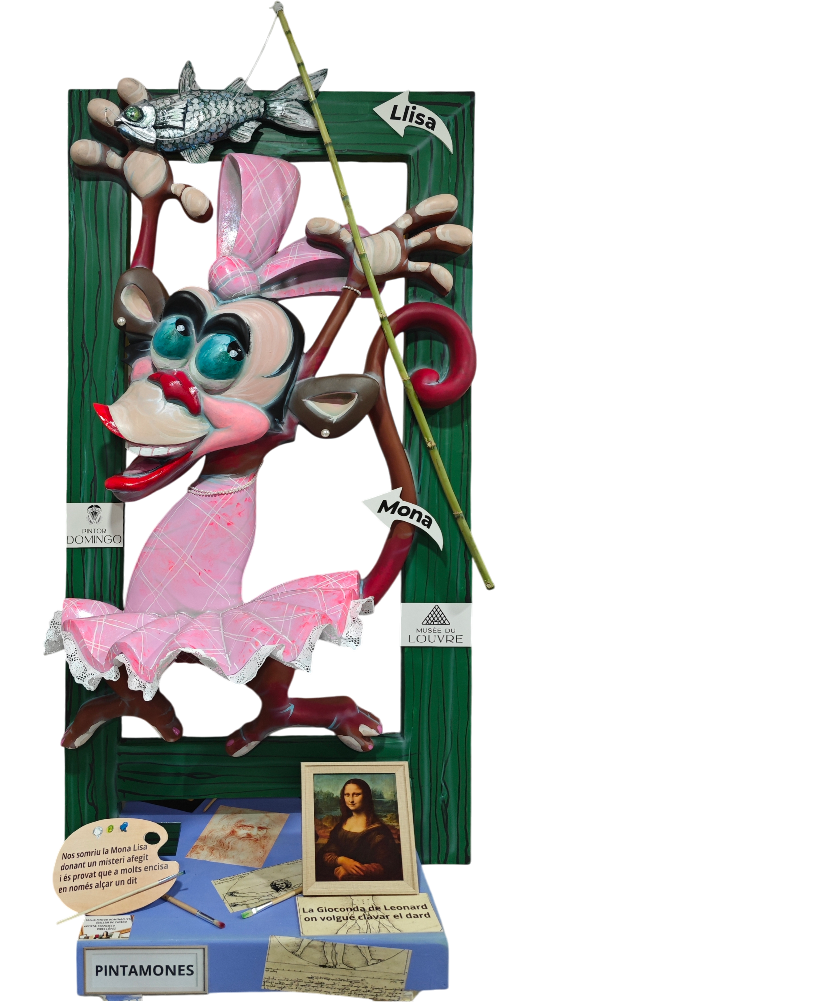
The Mona Lisa
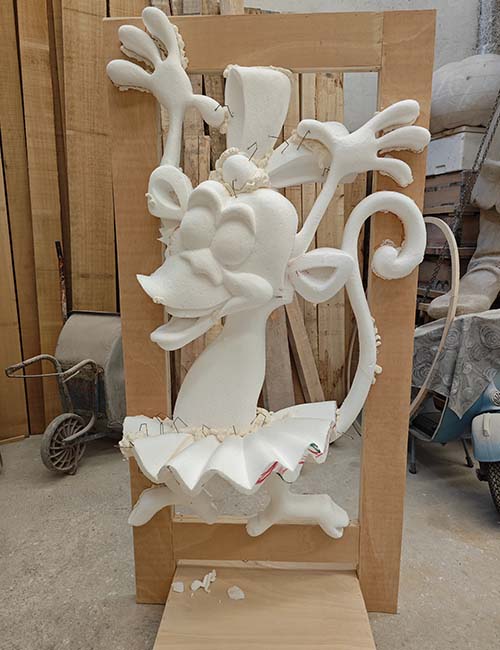
The same could have happened with Leonardo da Vinci. In his time, there were probably those who thought that his Mona Lisa would not have any special impact. But time transforms artworks and the way we look at them: what one day is only a portrait can end up becoming one of the most famous paintings in history. Thus, art depends as much on the talent of the artist as on the gaze of the centuries to come.
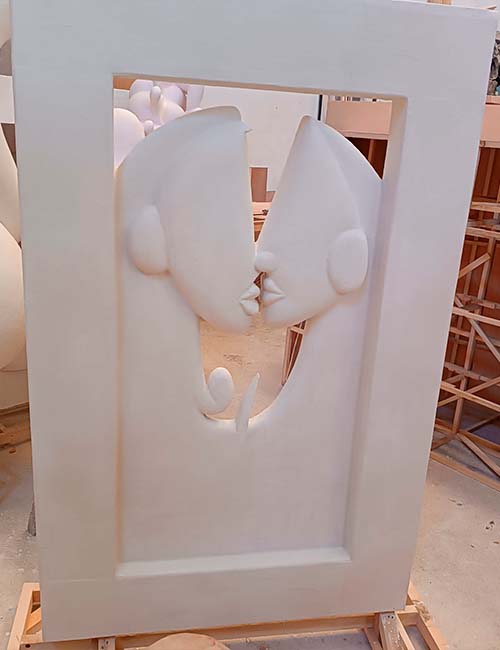
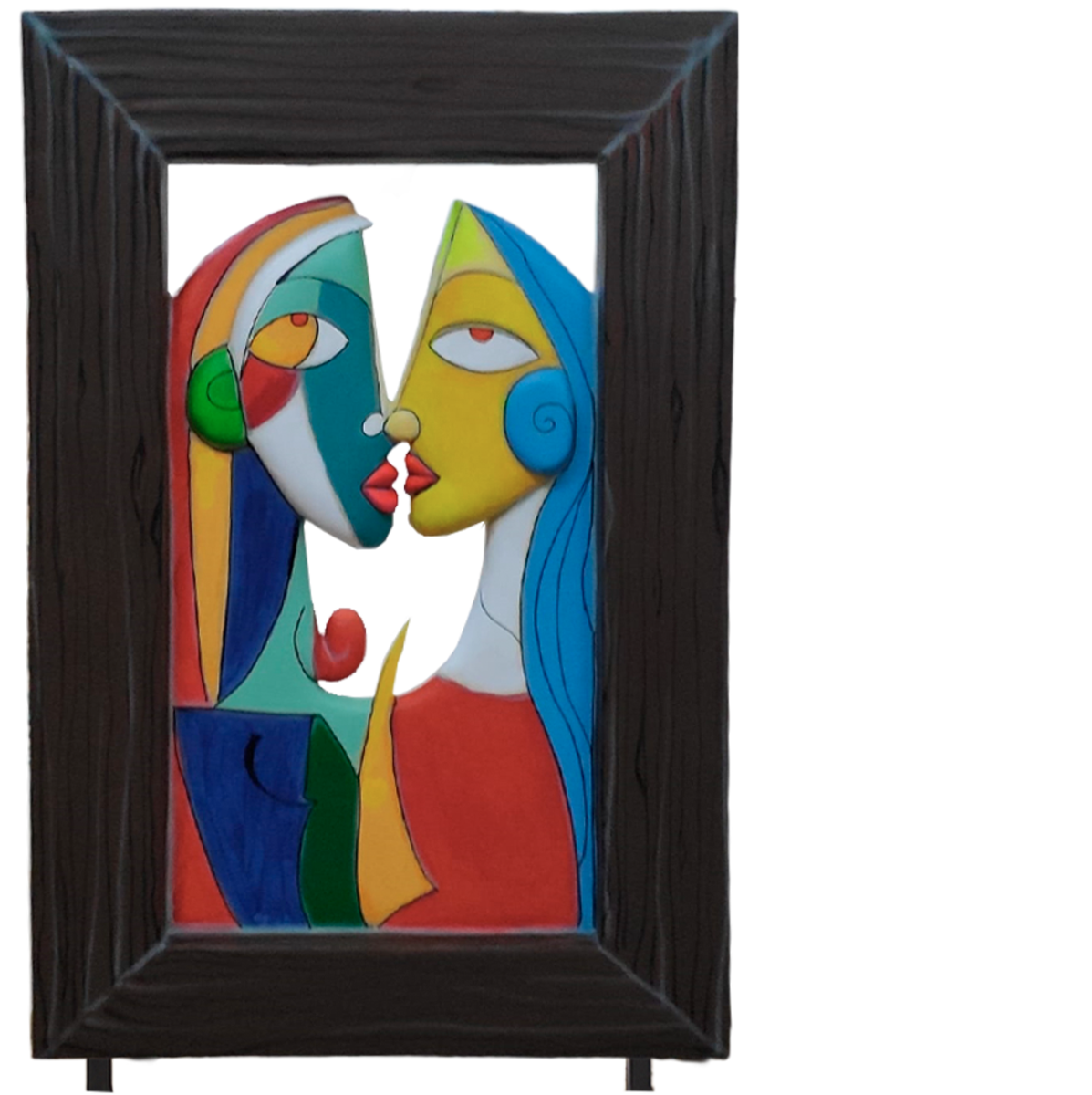
The Kiss
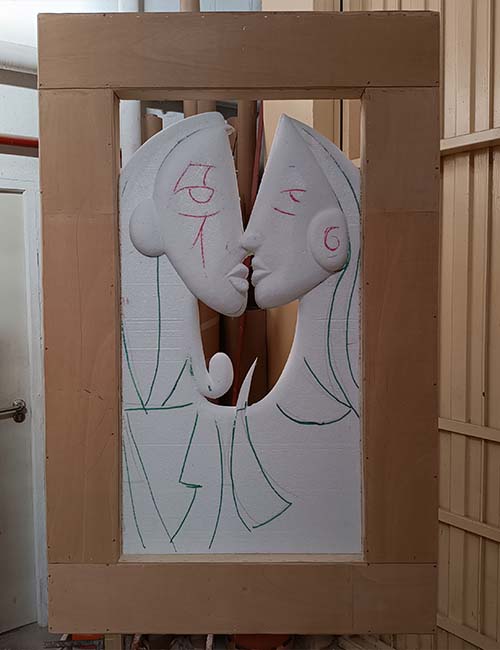
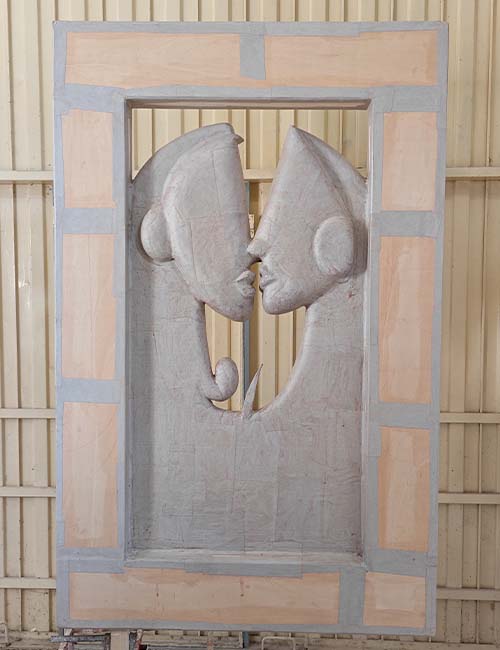
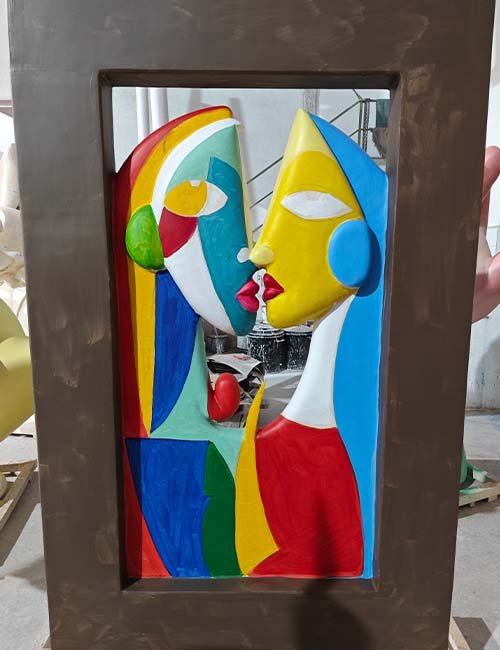
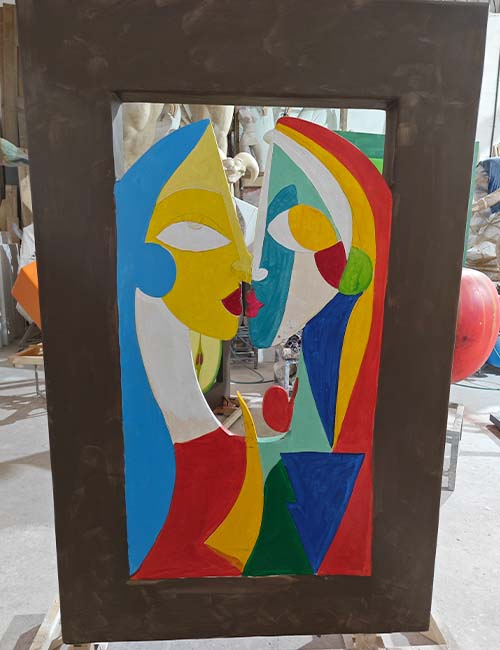
We see two women facing each other, very colorful and defined with bold, modern lines. The composition recalls a contemporary gaze, almost fragmented, as if reality were being reinterpreted from different angles. They could perhaps be figures seen by Pablo Picasso or by an artist of his time, with a sensibility close to cubism and modern art.
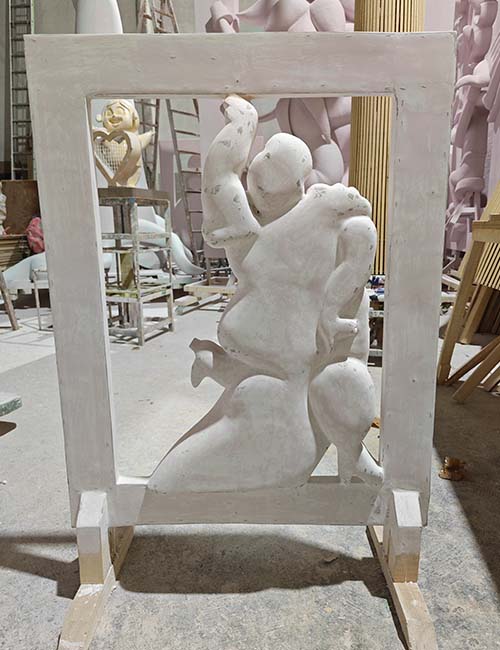
La Menina Valenciana
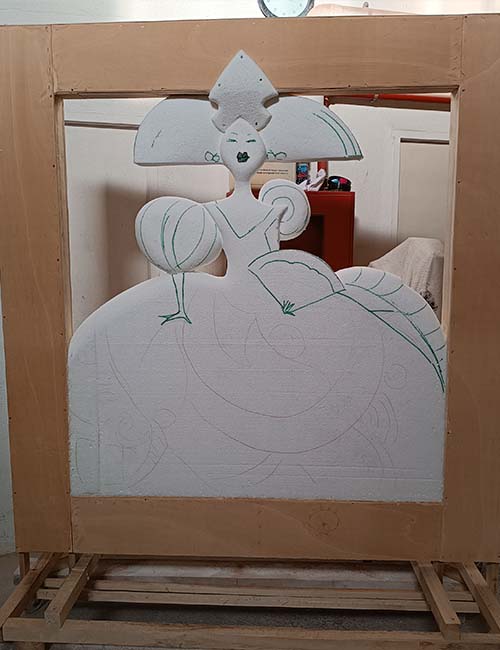
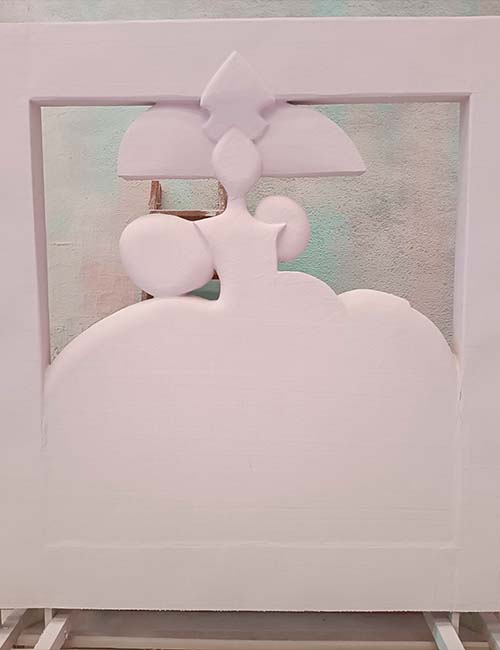
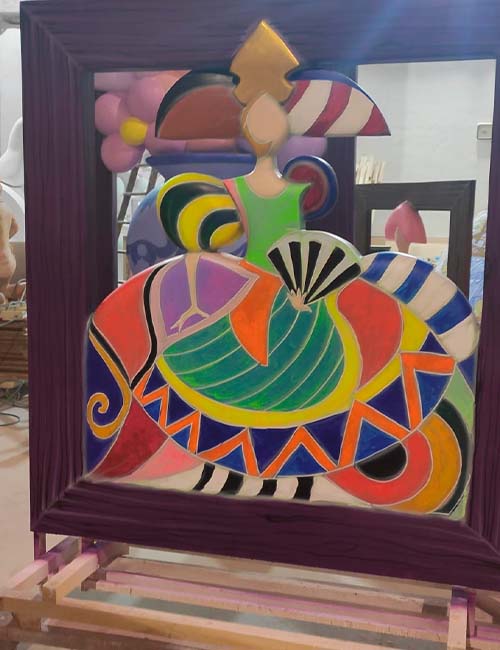
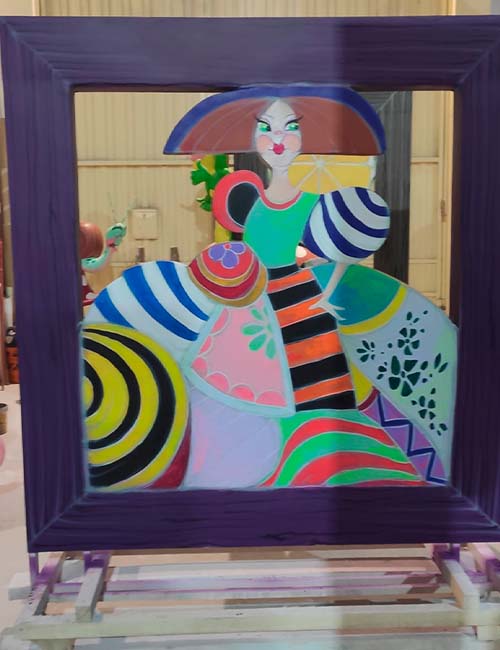
Las Meninas by Diego Velázquez can be interpreted as an almost fallero scene in which the protagonist is the Infanta Margarita, placed at the center as if she were the main ninot of the monument. Around her, the other characters complete the composition like figures in a planted scene. The gazes, the light and the mirror create different perspectives, giving the painting a very modern, almost cubist vision.
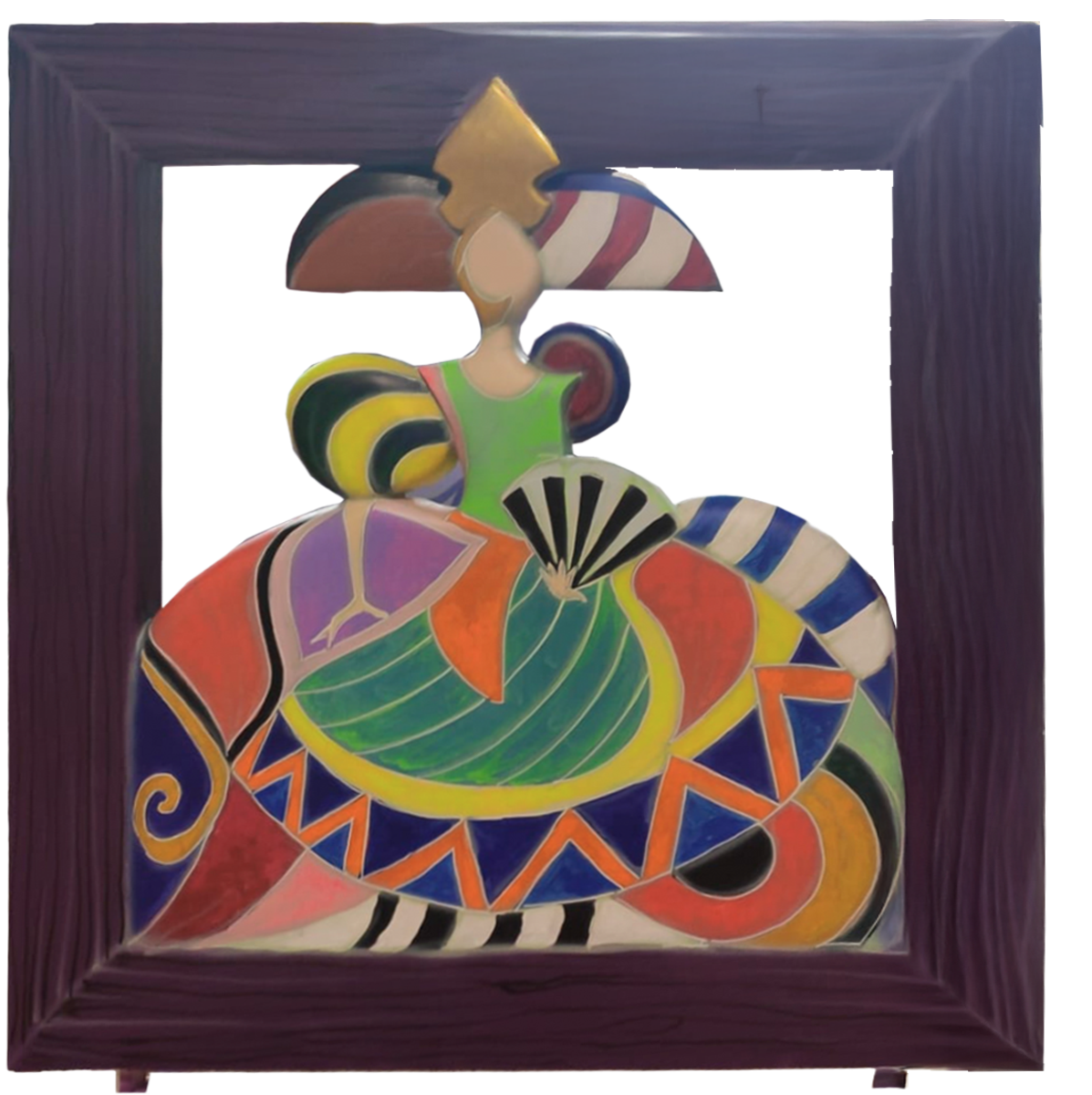
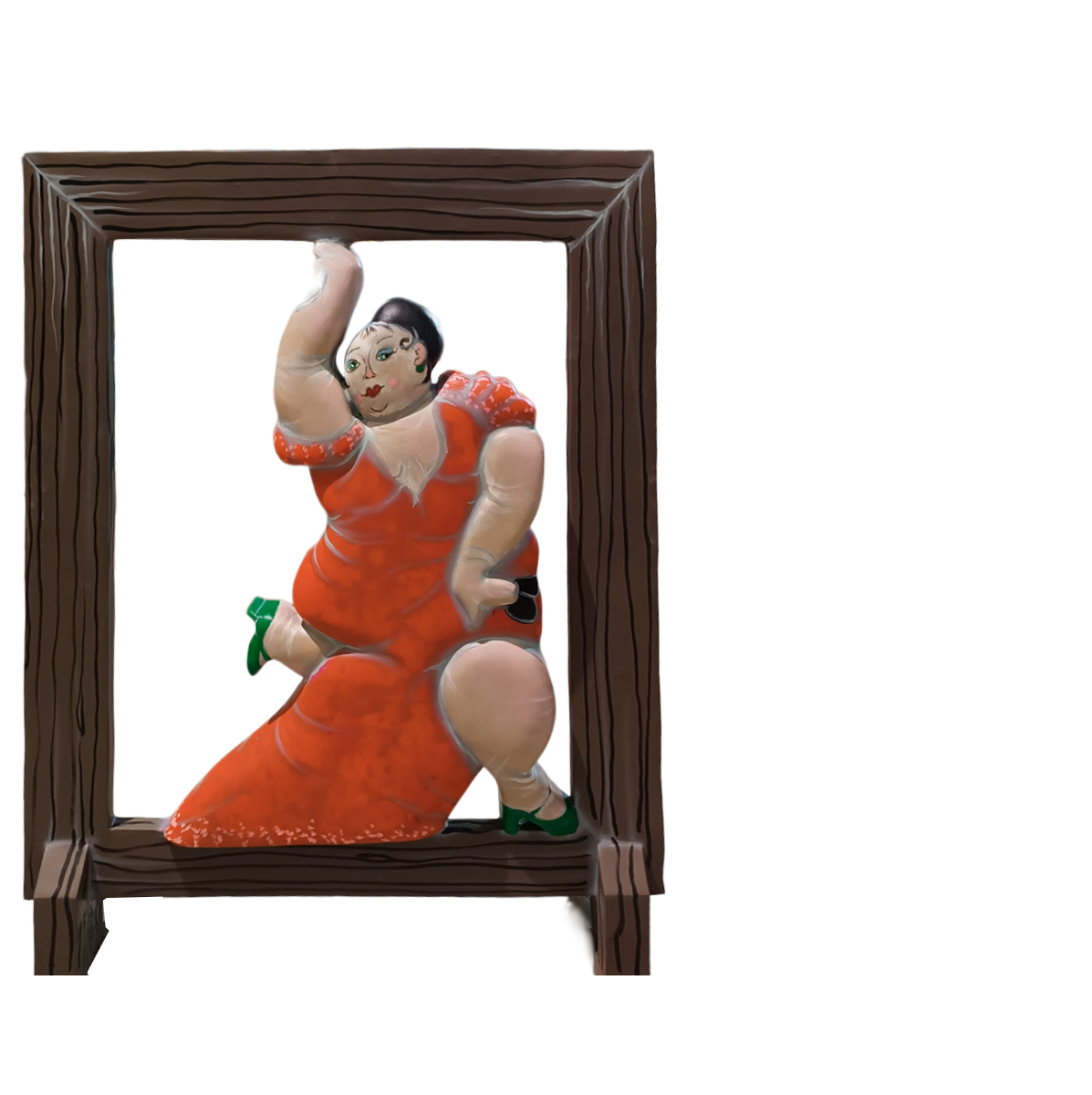
Flamenco Dancer by Botero
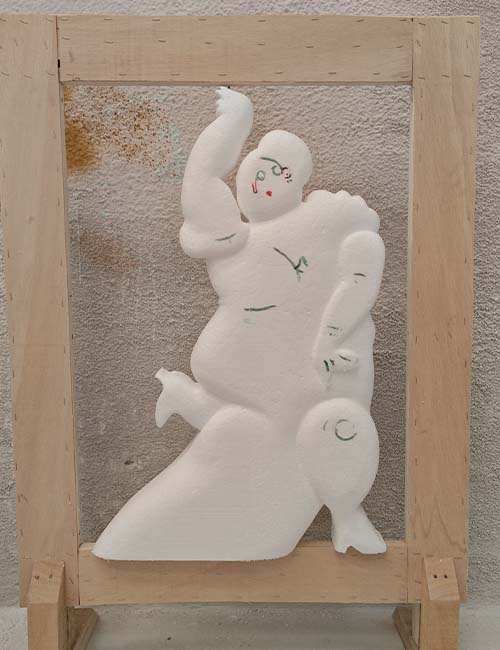
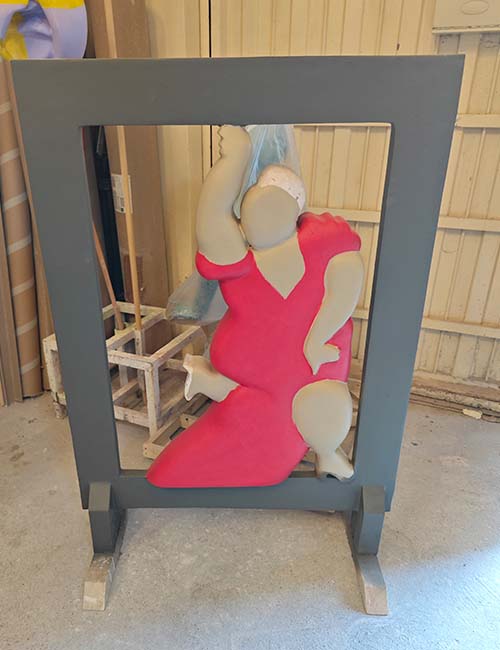
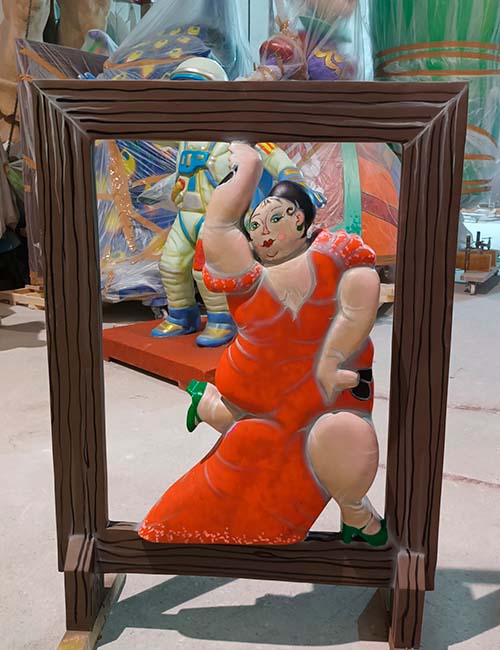
The figure shows a flamenco dancer with exaggerated forms, wide ruffles and a powerful presence that clearly recalls the style of Fernando Botero. The body occupies the space proudly and transforms the dance into a scene full of volume and color. More than a realistic dancer, it is an ironic and modern view of tradition, where exaggeration becomes a new way of understanding art.