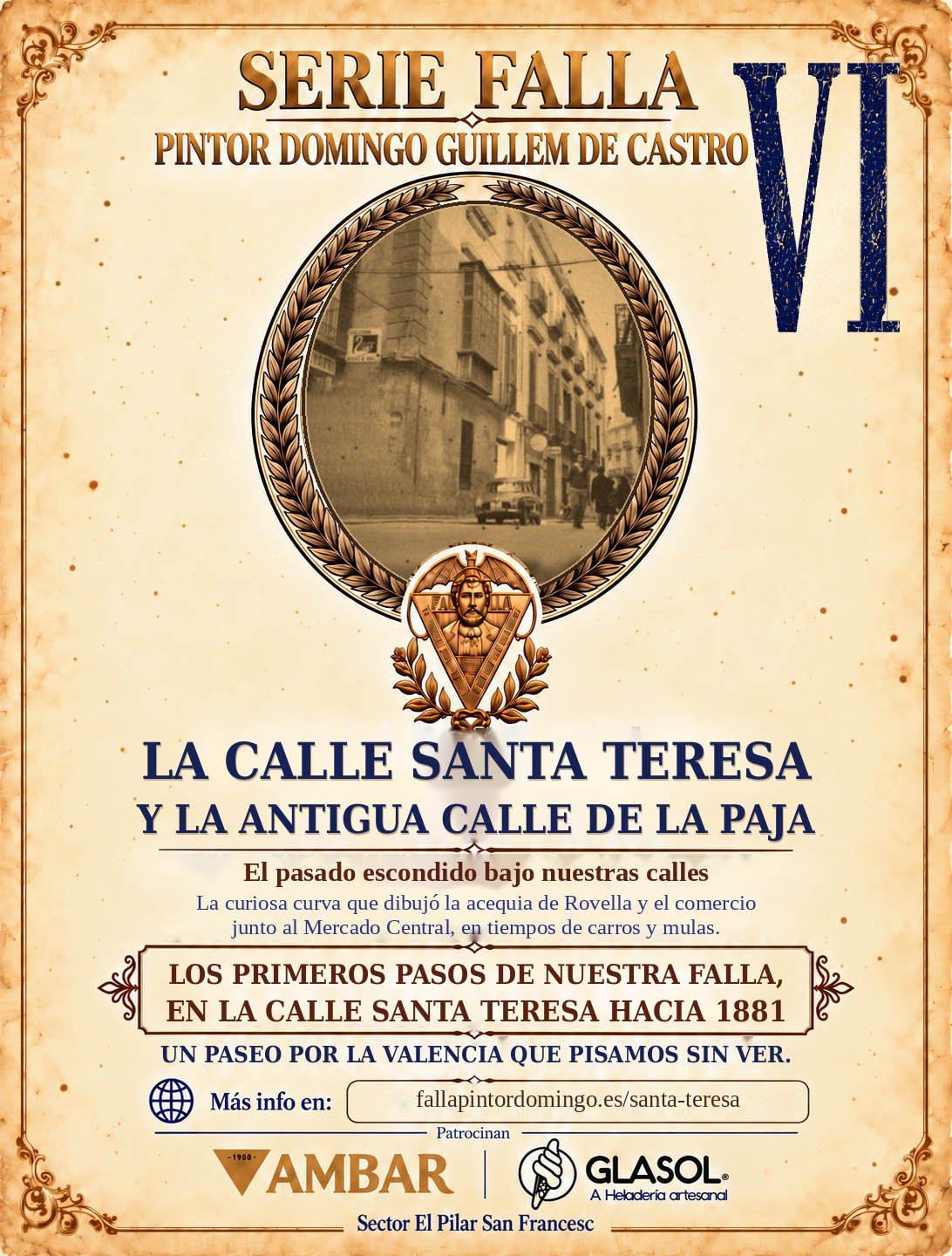

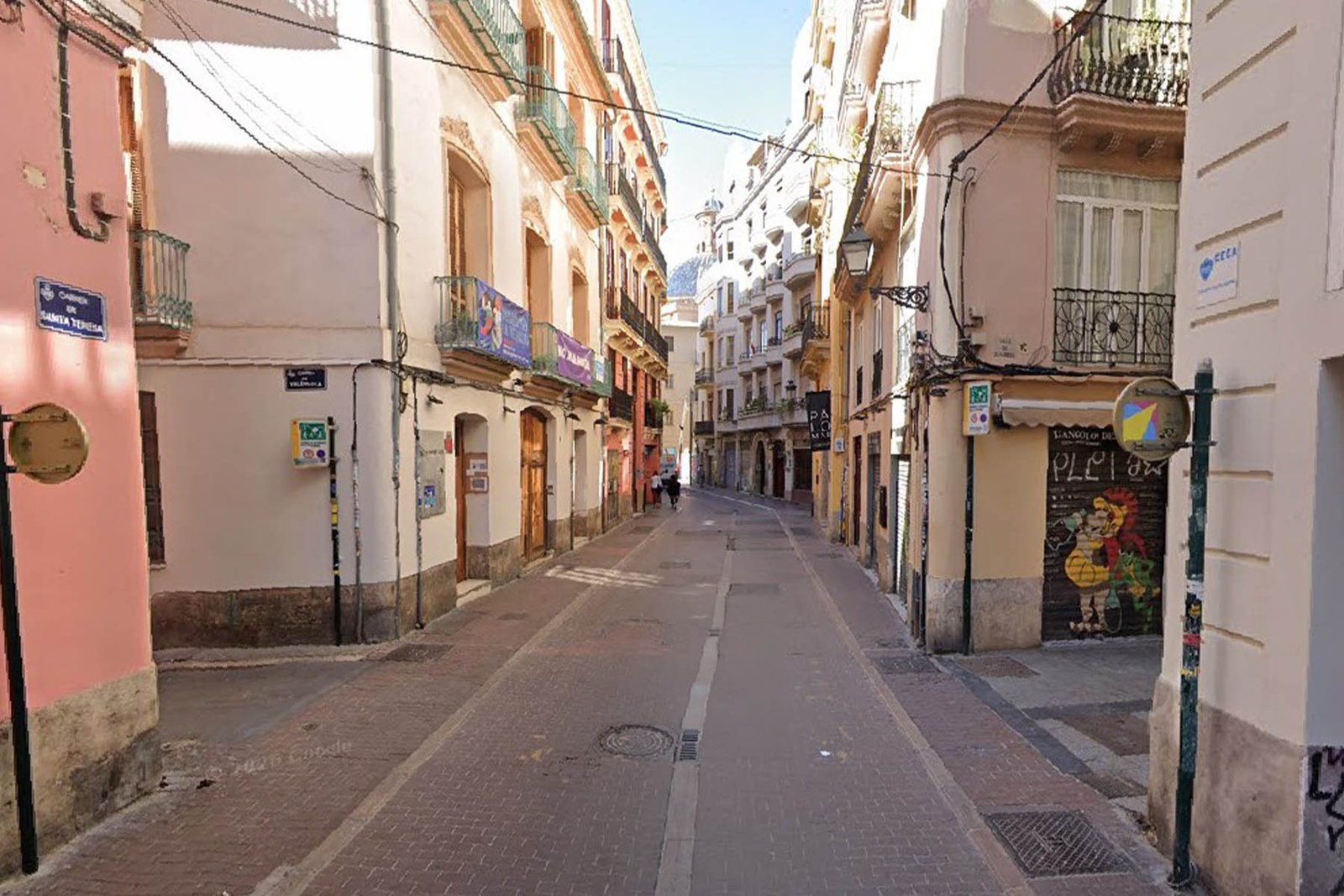
From an ancient irrigation canal to the carts and mules of Valencia’s Central Market, we explore two corners of the city that help us better understand our neighbourhood’s past and the origins of Pintor Domingo.
Every March, we set up our falla at the intersection of Pintor Domingo and Santa Teresa streets. It is a place we know inside out, where we have spent countless hours surrounded by ninots, celebrations and long nights preparing for the plantà.
But did you know that the shape of Santa Teresa Street is connected to an ancient irrigation canal? Or that, very close to our neighbourhood, there is a street whose name recalls an important commercial activity in medieval Valencia?
Today, we are going to explore two streets with far more history than meets the eye. Two corners that allow us to discover what Valencia was like in the days of our ancestors.
Santa Teresa: A Street Shaped by Water
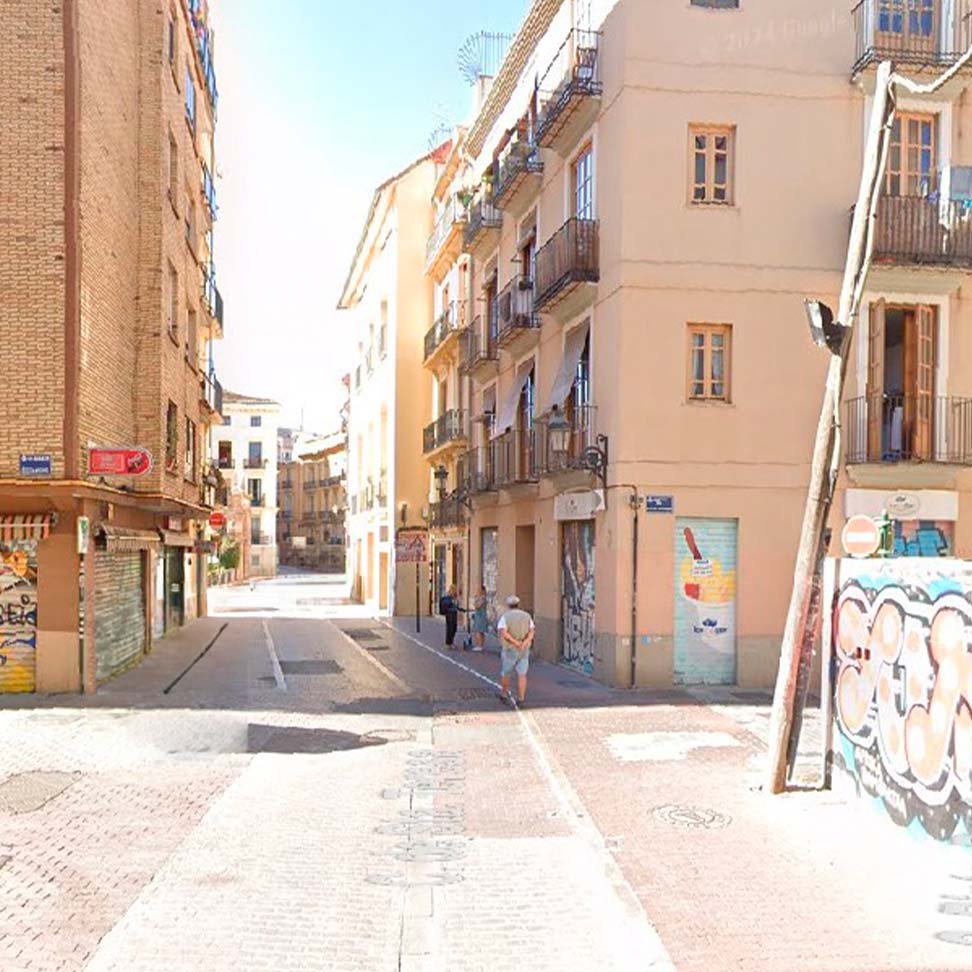
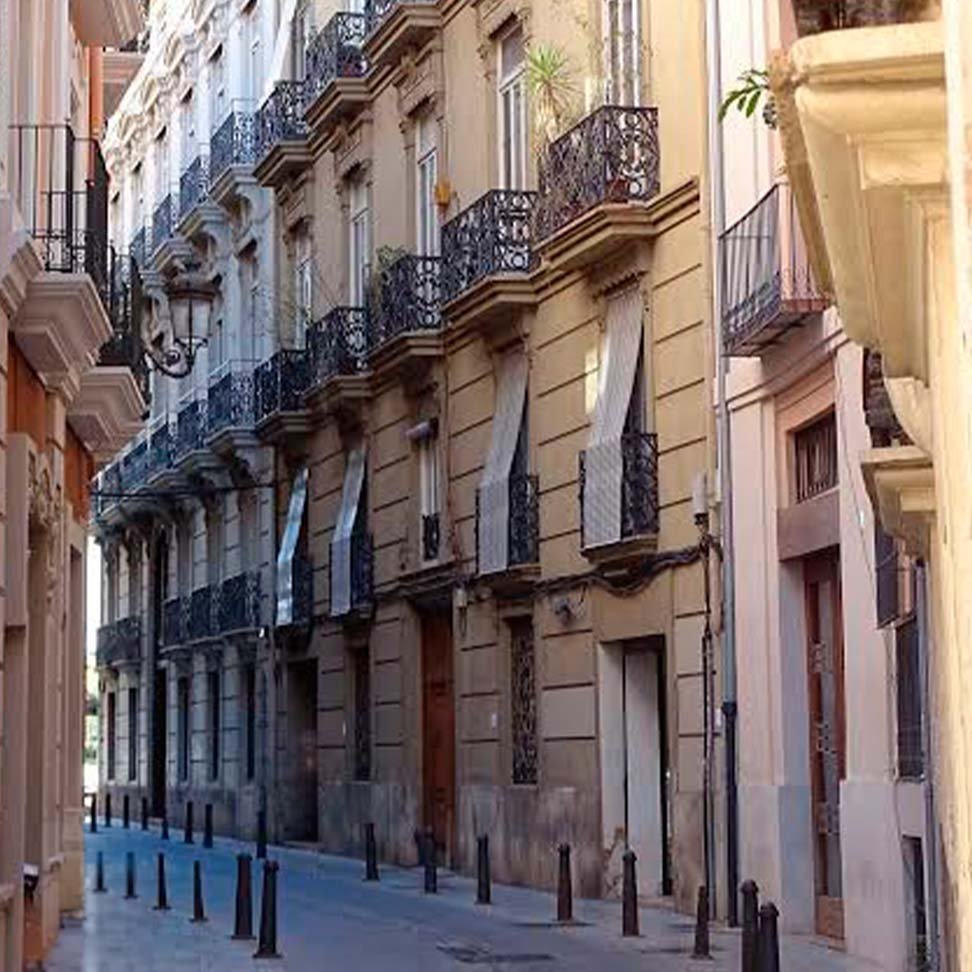
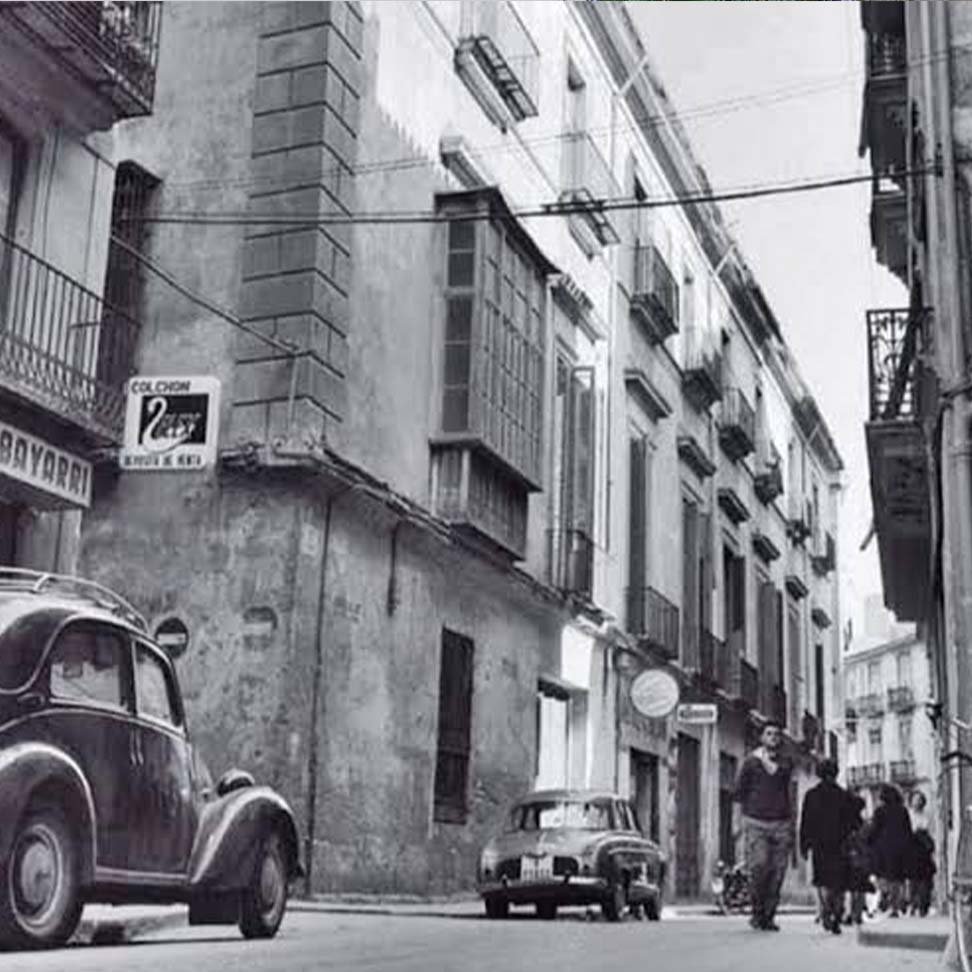
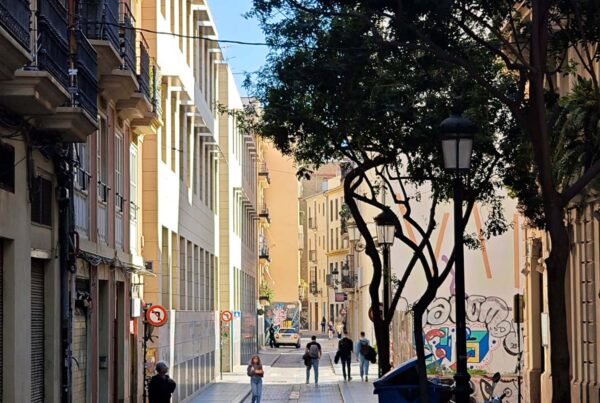
Santa Teresa Street forms part of the historic street network of the El Pilar neighbourhood, formerly known as Velluters, one of the most historic areas of Valencia’s old town, Ciutat Vella.
If we walk along it carefully, we will notice that its layout is not completely straight. And that is no coincidence.
Centuries ago, much of this area was occupied by farmland, paths and irrigation canals. As Valencia expanded and these lands became part of the medieval city, many streets followed those existing routes.
One of the irrigation canals that crossed this area was the Rovella, one of the eight historic irrigation canals of the Valencia agricultural plain, associated with the famous Water Tribunal (Tribunal de las Aguas).
Its historic route passed through what are now Moro Zeit, Santa Teresa and Pie de la Cruz streets, and is linked to the distinctive curved layout of this part of the neighbourhood.
But the Rovella was not used solely for irrigation. Within Valencia, it also supplied water to mills and workshops and helped carry away wastewater. In other words, besides providing water, it performed some of the functions that today’s sewer system takes care of.
It is fascinating to think that the course of an irrigation canal from centuries ago has left its mark on the very streets where we now hold our Fallas parades.
A Street That Has Witnessed the Neighbourhood Change
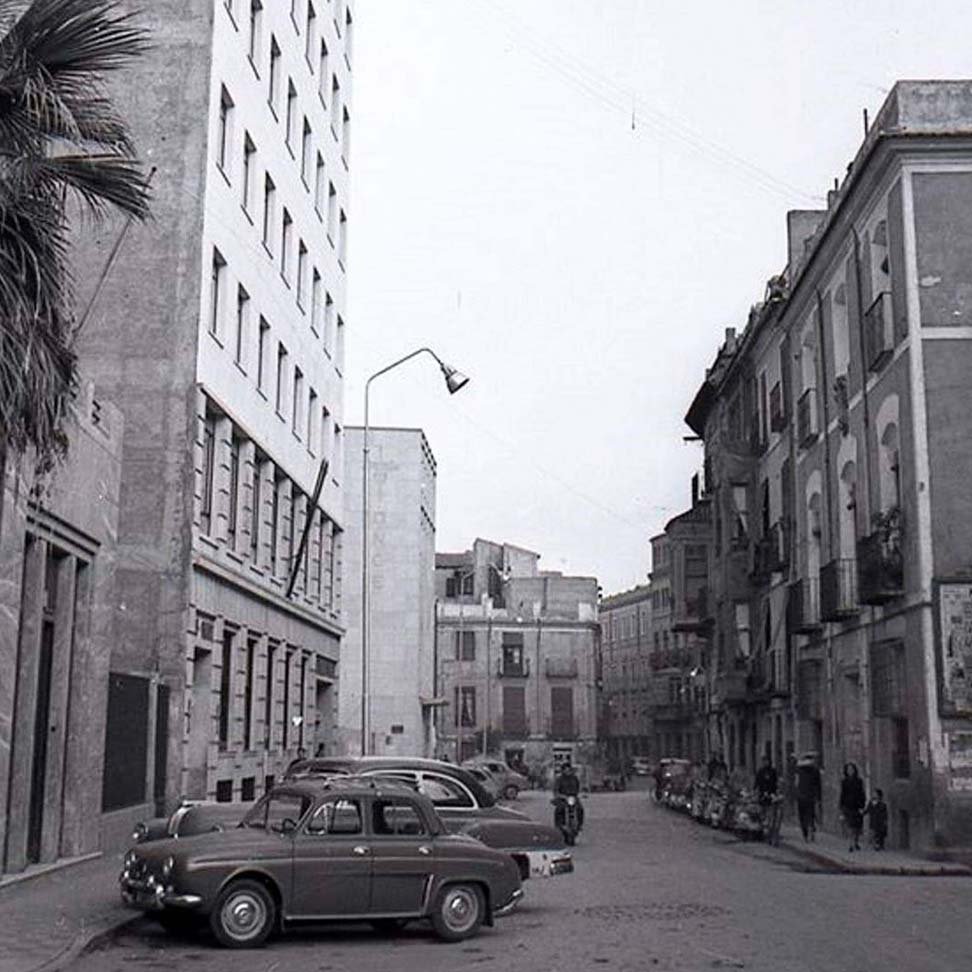
The area surrounding Santa Teresa has undergone numerous transformations over the centuries.
The Velluters neighbourhood was closely associated with craftsmanship, particularly trades connected to silk production. Workshops stood alongside homes, and much of everyday life took place right on the streets.
It was a Valencia of artisans, small traders, working families and neighbours sharing streets that were far busier than we might imagine today.
And since we are talking about streets with history, nearby we find Moro Zeit Street, named after Abu Zayd, one of the last Muslim rulers of Valencia.
Abu Zayd lost power to Zayyan and eventually formed an alliance with James I of Aragon. He later converted to Christianity and collaborated with the Aragonese monarch. The street that now bears his name was laid out in the 19th century on land formerly occupied by the Convent of La Puridad.
A story of rulers, shifting alliances and vanished convents, practically on the doorstep of our falla.
The Intersection Where We Build Our Falla
For Pintor Domingo, Santa Teresa means much more than its historical significance.
The intersection of Pintor Domingo and Santa Teresa is where we set up our falla, but it is also one of the locations associated with our earliest documented Fallas traditions.
According to our association’s historical records, a falla was already being erected in this area in 1881, associated with the former name Pintor Domingo – Santa Teresa. The official founding date recorded for our association is 1885.
Those early fallas were very different from today’s monuments. They were built using simple materials and depicted scenes and characters from everyday life, often with a strong critical and satirical element.
Since then, the monuments, artists, techniques and even some of our association’s names have changed. But Santa Teresa has remained part of our history.
And here we still are, more than 140 years later, eagerly awaiting every March so that we can build our falla once again.
The Old Straw Street: When Valencia Travelled by Cart and Mule
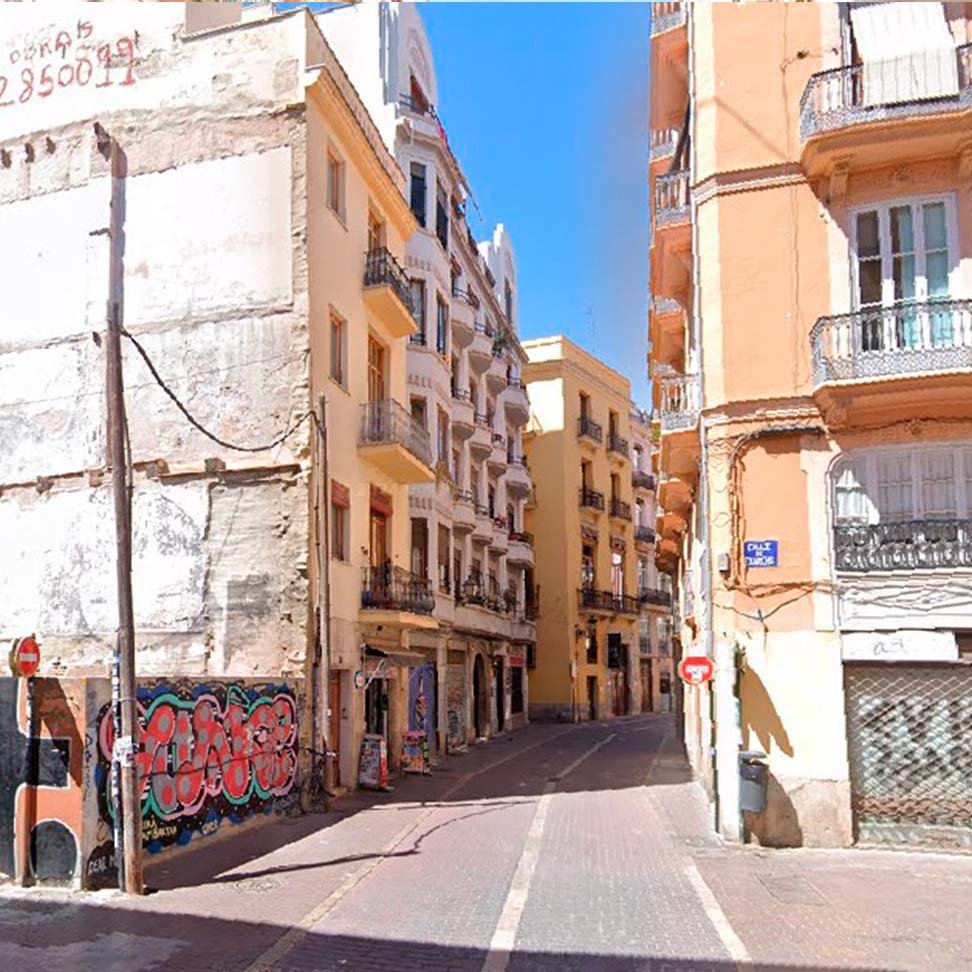
Very close to our neighbourhood, near the Central Market, we find another street whose name inevitably catches people’s attention: Calle Vieja de la Paja, also known in Valencian as Carrer de la Palla Vella, or Old Straw Street.
And although the name may raise a smile, its origins are rather more practical than some might be thinking.
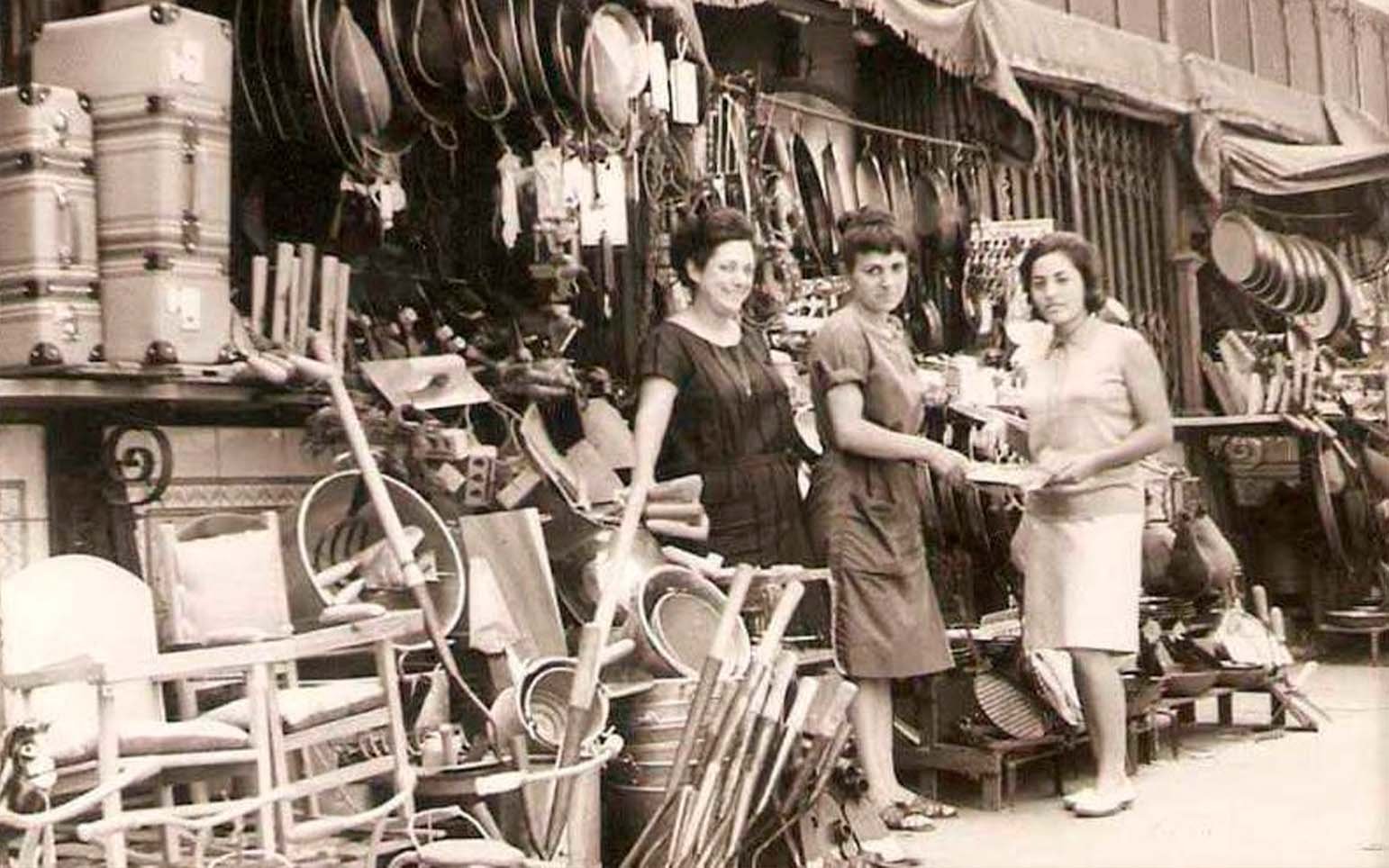
For centuries, much of the merchandise arriving in Valencia was transported in carts pulled by horses and mules. These animals were essential for supplying markets, transporting materials and carrying out countless jobs.
And, naturally, they all needed feeding.
Straw was a vital commodity in that economy, so much so that Valencia had a public straw weighing station, known as the Peso de la Paja, where straw and carob pods were weighed to regulate their trade.
A Market Very Different from the One We Know Today
To imagine Valencia in those days, we need to forget about modern traffic for a moment.
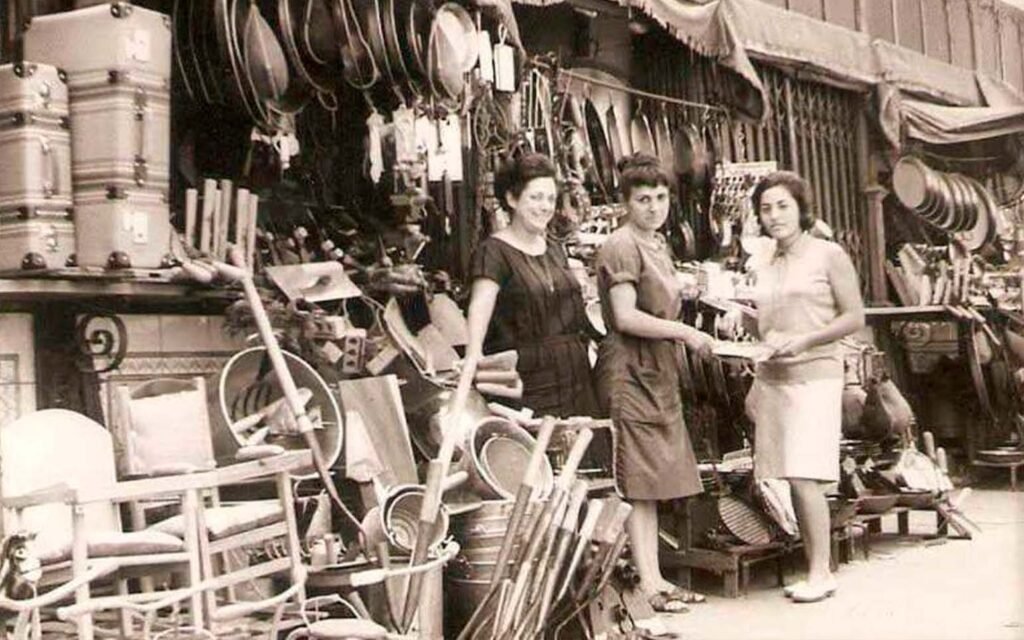
Picture carts loaded with produce from the surrounding farmland, merchants arriving to sell their goods, draught animals, market stalls and local residents coming to buy what they needed for their homes and businesses.
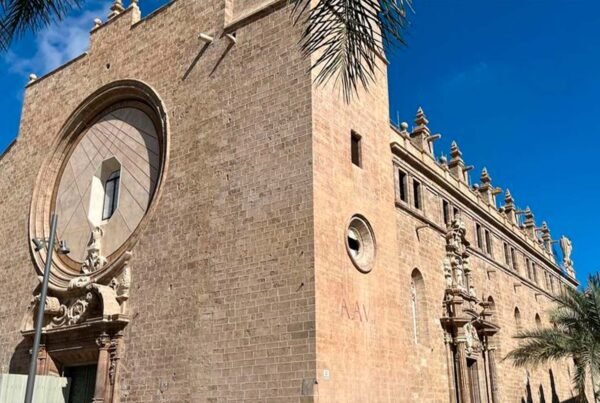
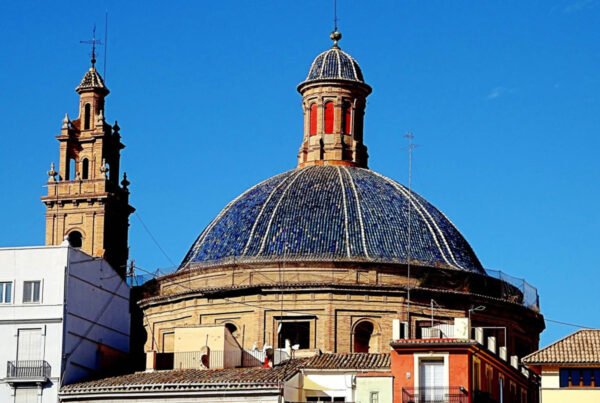
The area around today’s Central Market was already a bustling commercial centre long before the construction of the Modernist building we know today.
There were even areas known as les estaques, where pack animals were tethered while their owners went about buying and selling. Something rather like today’s car parks, although with considerably more tails and horseshoes.
In that Valencia, many street names were directly connected to the products sold there or the trades carried out nearby.
And Straw Street is a perfect example.
Why Is It Called Old Straw Street?
There is another interesting detail behind its name.
For centuries, Valencia had a public weighing station for straw and carob pods. Historical references place it at several locations, including Plaza de la Hierba and Plaza de la Seo, before it eventually moved near the market.
There, it gave its name to Calle del Peso de la Paja, or Straw Weighing Station Street.
But in 1764, the weighing station was moved elsewhere, and the street became known as Old Straw Street.
In other words, the word “Old” had nothing to do with the age of the straw itself, but rather with the fact that the public weighing station was no longer located there.
The business moved, but the name stayed.
And thanks to that, centuries later, we still remember a commercial activity that was once essential to the city’s daily life.
Santa Teresa and Straw Street in Five Facts
1. A curve with centuries of history. The layout of Santa Teresa preserves the influence of the ancient waterways that once crossed this part of Valencia.
2. An irrigation canal with two purposes. The Rovella was not only used for irrigation. Within the city, it also supplied mills and workshops and helped carry away wastewater.
3. A car park for carts and mules. Near the market were areas known as les estaques, where pack animals were tethered while their owners traded.
4. A street that remained “Old”. In 1764, the Straw Weighing Station was relocated, but the street preserved the memory of that activity in its name.
5. The origins of Pintor Domingo. As early as 1881, we find records of Fallas celebrations in Santa Teresa, a street that has been linked to our association since its earliest years.
Our History Is Also Written in the Streets
When we talk about the history of Pintor Domingo, we usually think of our monuments, awards, presidents, Falleras Mayores and celebrations. And, of course, all of that is part of who we are.
But the history of the streets around us is also worth discovering.
Santa Teresa tells us about medieval Valencia, its irrigation canals, its old workshops and the earliest beginnings of our falla. Old Straw Street reminds us of a city of carts, merchants and markets, where activities that have long since disappeared gave their names to the streets.
Many centuries have passed since that Valencia existed, and our neighbourhood has changed enormously.
Nevertheless, we continue to build our falla at the intersection of Pintor Domingo and Santa Teresa, sharing with new generations the same place that has been part of our history since the 19th century.
And that is precisely the purpose of this series of articles: to rediscover the stories behind the streets of our Fallas district and its surroundings, uncover their curiosities and get to know a little better the neighbourhood where generations of us have been celebrating Fallas.
There are still many streets left for us to explore.
To be continued…